
Home Loan Programs
Conventional Loans
Conventional Loans are mortgage loans that are not insured by the government (like FHA, VA, USDA Loans), but they typically meet the lending guidelines that have been set by Fannie Mae or Freddie Mac. Typically, conventional loans have better rates, terms and/or lower fees than other types of loans. However, conventional loans typically require a borrower to have good-to-excellent credit, reasonable amounts of monthly debt obligations, a down payment of 5-20% and reliable monthly income. Conventional loans are ideal for borrowers with excellent credit and at least a 5% down payment.
FHA Loans
It's easy to understand why many people looking for a new home are turning to FHA insured loan programs. Because FHA Loans are insured by the Federal Housing Administration homebuyers have an easier time qualifying for a mortgage. Those who typically benefit most by an FHA loan are first-time home buyers and those who have less than perfect credit.
USDA Loans
A USDA Loan is a mortgage loan that is insured by the US Department of Agriculture and available to qualified individuals who are purchasing or refinancing their home loan in an area that is not considered a major metropolitan area by USDA.

VA Loans
A VA loan is a mortgage loan guaranteed by the U.S. Department of Veteran Affairs (VA) that is available to most US service members. It offers some very great benefits to those that have served our country.
First Time Home Buyer Programs
First Time Home Buyer Programs are designed to help buyers purchase their first home with flexible loan options, lower down payment opportunities, and guidance through the mortgage process. These programs may include conventional, FHA, VA, USDA, down payment assistance, or other financing solutions depending on the borrower’s goals, credit profile, income, and location.


Jumbo Mortgages
Jumbo Mortgages are home loans that exceed the standard conforming loan limits set by Fannie Mae and Freddie Mac. These loans are commonly used for higher-priced homes and may require stronger credit, larger down payments, and additional documentation. Jumbo loans can be a great option for borrowers purchasing luxury homes or properties in higher-cost markets.
Reverse Mortgages
Reverse Mortgages allow eligible homeowners, typically age 62 or older, to access a portion of their home equity without making a traditional monthly mortgage payment. This option can help homeowners supplement retirement income, pay off an existing mortgage, or improve cash flow while continuing to live in their home.


HELOCs and Home Equity Loans
HELOCs and Home Equity Loans allow homeowners to borrow against the equity they have built in their property. A HELOC works like a flexible line of credit, while a Home Equity Loan provides a lump sum with structured payments. These options are often used for home improvements, debt consolidation, large expenses, or investment opportunities.
Second Mortgages
Second Mortgages allow homeowners to access additional financing while keeping their existing first mortgage in place. This can be useful for borrowers who want to tap into home equity without refinancing their current loan, especially if they have a favorable interest rate on their first mortgage.


100% Financing for Medical Professionals
100% Financing for Medical Professionals is designed to help eligible doctors, dentists, physicians, and other qualifying medical professionals purchase a home with little to no down payment. These programs may offer flexible qualifying guidelines and are built for professionals with strong earning potential, even if they have student loan debt or are early in their career.
Down Payment Assistance Programs
Down Payment Assistance Programs help qualified buyers reduce the upfront cost of purchasing a home. Assistance may come in the form of grants, forgivable loans, deferred-payment loans, or other local and state program options. These programs can make homeownership more accessible for first-time buyers and eligible repeat buyers.
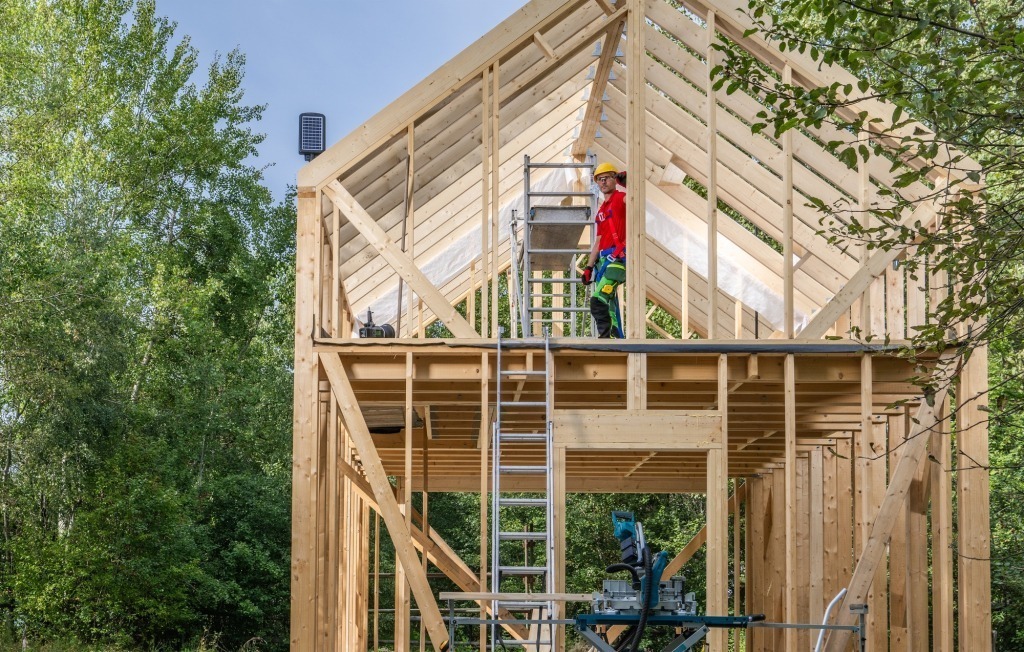
Construction and Renovation Loans
Construction and Renovation Loans help borrowers finance the cost of building a new home or improving an existing property. These loans may allow the purchase price and renovation costs to be combined into one loan, making it easier to update, repair, or customize a home.
Buy Before You Sell Options
Buy Before You Sell options help homeowners purchase their next home before selling their current one. These solutions may include bridge loans, cross-collateralization loans, or other creative financing options that use existing home equity to help make the transition smoother and less stressful.


Cross-Collateralization Loans
Cross-Collateralization Loans allow borrowers to use equity from one property to help finance another property. This can be helpful for buyers who want to purchase a new home before selling their current home or who need a more flexible financing structure.
Non-Qualified Mortgage Loans
Non-Qualified Mortgage Loans, also known as Non-QM loans, are designed for borrowers who may not fit traditional mortgage guidelines. These programs can help self-employed borrowers, real estate investors, borrowers with unique income, or buyers with complex financial situations qualify using alternative documentation.


DSCR Loans
DSCR Loans are designed for real estate investors and are based on the income potential of the property rather than the borrower’s personal income. With a DSCR loan, qualification is typically based on whether the rental income can cover the full housing payment, making it a strong option for investment property buyers.
Bank Statement Loans
Bank Statement Loans are a flexible mortgage option for self-employed borrowers who may not show traditional income on tax returns. Instead of using standard income documentation, lenders may review personal or business bank statements to determine qualifying income.


Profit and Loss Loans
Profit and Loss Loans allow self-employed borrowers to qualify using a prepared profit and loss statement instead of traditional tax returns. This can be helpful for business owners whose tax filings do not fully reflect their current income or cash flow.
1099 Loans
1099 Loans are designed for independent contractors, freelancers, and commission-based workers who receive 1099 income. These programs may allow borrowers to qualify using 1099 forms and other alternative income documentation instead of traditional W-2 income.


Non-Warrantable Condos
Non-Warrantable Condo Loans are available for condo properties that do not meet traditional agency guidelines. This may include projects with higher investor concentration, limited reserves, pending litigation, or other factors that make the condo ineligible for standard financing.
Condotels
Condotel Loans are designed for properties that function as both condos and hotels. These properties may include front desk services, short-term rental options, or resort-style amenities. Because condotels can be harder to finance through traditional loan programs, specialty lending options may be needed.


Unique Properties
Unique Property Loans help borrowers finance homes that may not fit traditional lending guidelines. This can include unusual property types, mixed-use properties, rural homes, properties with large acreage, or homes with features that require a more flexible loan solution.
Farm Loans
Farm Loans are designed for borrowers purchasing or refinancing properties with agricultural use, acreage, or farm-related features. These loans may help finance rural homes, hobby farms, working farms, or properties that do not fit standard residential mortgage guidelines.

State Licenses
WA #MLO-1398633
TX #1398633
FL #1398633
CO #100524013
CA #CA-DFPI1398633
NV #68407
MN
Copyright 2026. All rights reserved. Angie Loukos, Residential Mortgage Loan Originator NMLS #1398633 |
Equal Housing Opportunity | Equal Housing Lender
Canopy Mortgage, LLC | 360 Technology Court, Suite 200 Lindon, UT 84042 | 877-426-5500 | NMLS Consumer Access #:1359687. All loans subject to credit and property approval. Our privacy policy is here and our terms of use are here. State License Data: Here
Licensed by the Department of Financial Protection and Innovation under the California
